



Can Egg Donation Affect Your Future Fertility?
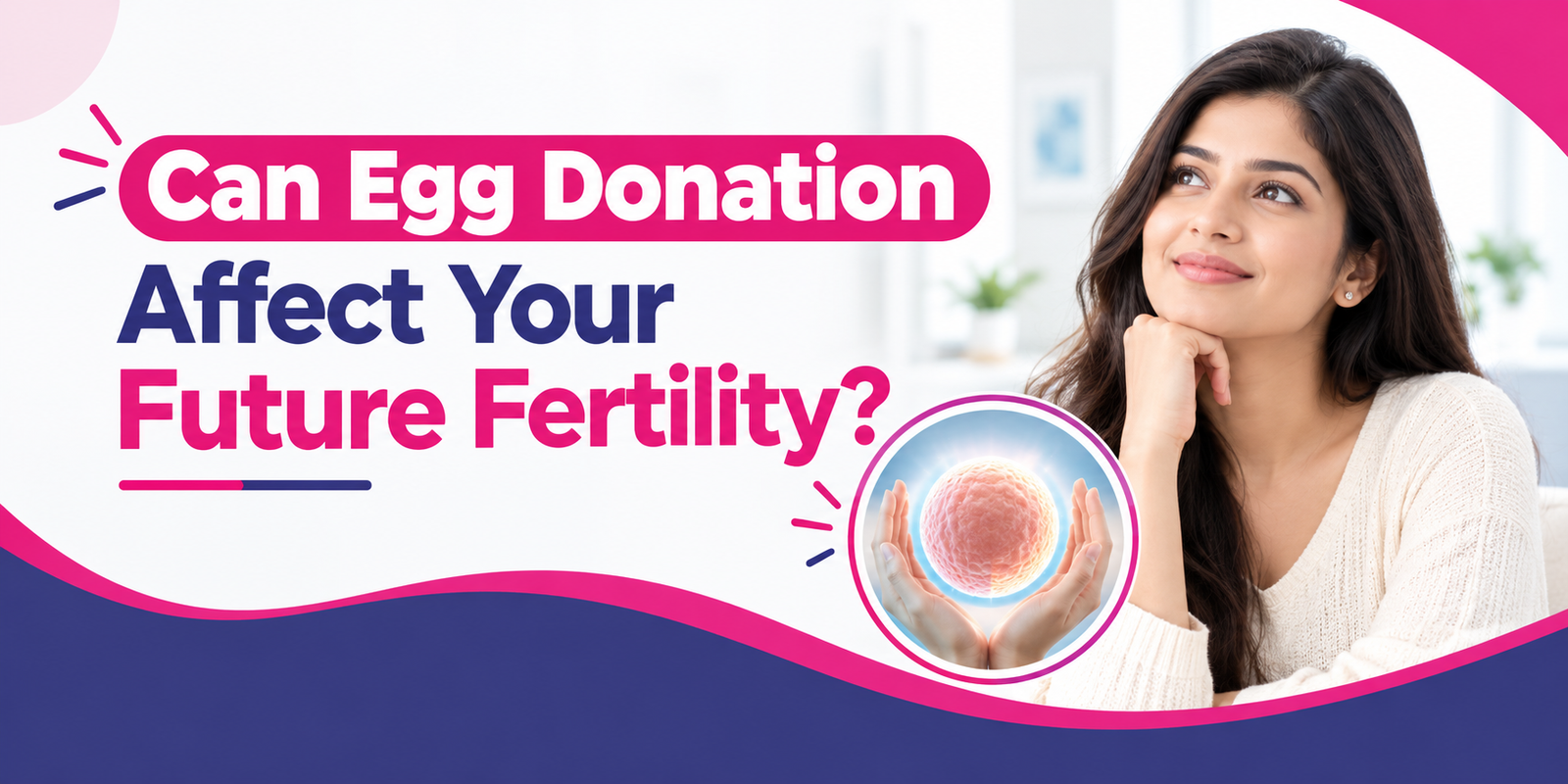
Can Egg Donation Affect My Future Fertility? This is a common concern for women considering egg donation to help someone become a parent. You may wonder whether donating your eggs could affect your own chances of having children in the future. Therefore, understanding the medical evidence can help you make an informed decision about egg donation.
It’s a fair question, and it deserves a clear answer. This guide explains what current medical evidence says about egg donation. Additionally, it covers how the egg donation process works and what to look for when choosing an Egg Donation Center in Delhi.
Can Egg Donation Affect Your Future Fertility?
However, current evidence suggests that egg donation does not reduce a healthy woman’s ability to conceive later.
The American Society for Reproductive Medicine (ASRM) and other professional bodies have found no reliable evidence that donating eggs in a properly managed cycle causes infertility or early menopause. Research is ongoing, and very long-term data is still limited, so honest clinics will tell you the evidence is reassuring but not infinite.
Why Doesn’t Donation “Use Up” Your Eggs?
This is the most common worry, and the biology explains why it’s largely unfounded.
- A woman is born with roughly 1–2 million immature eggs.
- By puberty, around 300,000–400,000 remain.
- Each month, a group of follicles (often 10–20) starts to develop. Normally, only one matures. The rest are naturally lost.
During ovarian stimulation, fertility medication rescues the follicles from that month’s group that would have been lost anyway. It doesn’t tap into your reserve for future years.
Think of it as a river: stimulation collects water that was about to flow away, not water from the reservoir.
What Happens During the Egg Donation Process?
A reputable Egg Donation Center in Delhi follows a structured egg donation process:
- Initial consultation and counselling: You learn about the procedure, risks and legal rights.
- Egg donor screening: This includes medical history, blood tests, infectious disease checks, hormone levels and a pelvic ultrasound.
- Ovarian stimulation: About 8–12 days of hormone injections help several follicles mature.
- Monitoring: Regular ultrasounds and blood tests track your response.
- Egg retrieval: A short, minimally invasive procedure under light sedation, usually 15–30 minutes.
- Recovery: Most donors go home the same day and resume normal activity within a day or two.
What Are the Real Risks of Egg Donation?
Every medical procedure carries some risk. Knowing them helps you decide with confidence.
Common, short-term effects
- Bloating and mild abdominal discomfort
- Mood changes from hormones
- Temporary breast tenderness
Less common complications
- Ovarian Hyperstimulation Syndrome (OHSS): The ovaries overreact to medication. Mild cases are fairly common, while severe OHSS affects only a small percentage of cycles. Modern protocols, including antagonist cycles and trigger shots that lower the risk, have reduced it considerably.
- Infection or bleeding after retrieval (rare)
- Ovarian torsion (very rare)
Can Egg Donation Affect Your Ovarian Reserve?
Some studies have noted a temporary dip in AMH (anti-Müllerian hormone), a marker of ovarian reserve, shortly after stimulation. However, levels generally return toward baseline over the following months. A temporary hormone change is not the same as lasting damage to fertility.
Many women who have donated have gone on to conceive naturally or through their own IVF treatment. Still, outcomes vary from person to person, which is why individual screening matters.
What Do Indian Rules Say About Egg Donors?
India regulates the field under the Assisted Reproductive Technology (Regulation) Act, 2021. Key provisions generally include:
- Donor age between 23 and 35 years
- Donor must be a married woman with at least one living child aged three or older
- A woman may donate only once in her lifetime
- A maximum of seven eggs may be retrieved per donor
- Written consent and registration with the national ART registry
Therefore, rules can be updated, so always confirm the current requirements with your clinic and the official regulations. Moreover, these safeguards are designed to protect egg donors’ health and well-being.
How Do You Choose a Safe Egg Donation Center in Delhi?
Your choice of clinic influences your safety more than almost anything else. Look for:
- Registration and legal compliance under the ART Act
- Experienced reproductive endocrinologists who personally oversee your cycle
- Transparent counselling that discusses risks honestly, not just benefits
- Thorough egg donor screening and ongoing monitoring
- OHSS-prevention protocols and 24-hour emergency access
- No pressure to donate and clear consent procedures
- Confidentiality protections
Who Should Not Donate Eggs?
Donation may not be suitable if you have:
- A history of certain hormonal or ovarian conditions
- Donor age above 35 years
- Significant family history of genetic disorders
- Active infections or untreated medical conditions
- A very low ovarian reserve on testing
- Emotional uncertainty about the decision
Final Thoughts about Can Egg Donation Affect my Future Fertility
For healthy women who are screened and monitored carefully, current evidence suggests egg donation doesn’t diminish future fertility. It does involve medication, a minor procedure and a real emotional commitment, so it should never be rushed.
Choosing the right Egg Donation Center in Delhi, one that is transparent, legally compliant and focused on your wellbeing, makes all the difference.
Current evidence has not established that egg donation reduces a healthy woman’s ability to conceive naturally in the future. However, long-term research is still limited, so individual risks should be discussed with a fertility specialist.
No. During ovarian stimulation, medication helps multiple follicles mature in a single cycle, including follicles that would otherwise usually stop developing. Egg donation does not simply use up the eggs you would have had in future years.
Most donors return to their usual activities within a day or two after egg retrieval. However, recovery varies, and your doctor may recommend avoiding strenuous exercise and sexual activity for a specific period.
There is currently no convincing evidence that a properly managed egg donation cycle causes infertility or early menopause. Nevertheless, research into long-term outcomes continues, and individual reproductive health can vary.
AMH levels may fluctuate temporarily after ovarian stimulation. However, a change in AMH does not automatically mean permanent damage to ovarian reserve or reduced fertility. Your doctor can interpret your results based on your individual circumstances.